
Intro to Polycarboxylate Water Reducers: A Game-Changer in Modern Concrete Modern Technology
Polycarboxylate water reducers (PCEs) have actually emerged as one of the most sophisticated course of superplasticizers in concrete formulation, transforming the method engineers style high-performance building and construction products. Unlike typical naphthalene or lignosulfonate-based admixtures, PCEs use superior diffusion effectiveness, slump retention, and compatibility with a vast array of cementitious systems. Their special molecular architecture allows exact control over rheology and workability, making them vital in producing ultra-high-performance concrete (UHPC), self-consolidating concrete (SCC), and lasting environment-friendly building remedies across global infrastructure jobs.
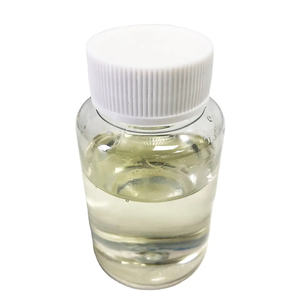
(Superliasticizer)
Molecular Structure and Device of Action
The performance of polycarboxylate water reducers stems from their comb-like copolymer framework, including a main chain with pendant polyethylene glycol (PEG) side chains. This setup enables strong electrostatic repulsion and steric hindrance between concrete fragments, protecting against heap and improving flowability without extreme water content. Unlike standard plasticizers that count solely on cost stabilization, PCEs make use of both electrostatic and steric mechanisms– making it possible for greater dosing flexibility, longer slump retention, and improved early-age toughness advancement. This dual-action device is crucial to attaining fluid yet steady concrete blends even under difficult problems.
Advantages Over Conventional Superplasticizers
Polycarboxylate water reducers outperform older-generation superplasticizers in numerous aspects. Compared to sulfonated naphthalene formaldehyde (SNF) and melamine formaldehyde (SMF) polymers, PCEs exhibit lower dosage needs, much better compatibility with combined cements, and decreased sensitivity to sulfate material. They likewise lessen blood loss and segregation while maintaining excellent cohesiveness in fresh concrete. Furthermore, PCEs are extra environmentally friendly, as they do not launch formaldehyde during mixing– a recognized health hazard related to some traditional admixtures. These benefits make PCEs the recommended selection for modern, high-efficiency concrete production.
Duty in Sustainable and Eco-Friendly Concrete Advancement
With increasing emphasis on decreasing the carbon impact of building materials, polycarboxylate water reducers are playing a main function in making it possible for lasting concrete modern technologies. By enabling substantial decreases in water-to-cement ratios, PCEs support making use of auxiliary cementitious products (SCMs) such as fly ash, slag, and calcined clay– reducing reliance on Rose city cement, a significant source of carbon monoxide ₂ emissions. Moreover, their capability to assist in low-energy mixing and extended pumping ranges improves power efficiency on construction websites. Developments in bio-based and recyclable PCE variations are additional straightening these admixtures with circular economic situation and net-zero goals in the constructed environment.
Applications Across High-Performance Building Sectors
The versatility of polycarboxylate water reducers has caused extensive adoption throughout crucial construction industries. In bridge decks and passage linings, PCE-modified concrete makes sure thick, impermeable frameworks with improved resilience versus chemical strike and freeze-thaw cycles. Precast and prestressed concrete elements benefit from fast strength gain and minimized formwork cycle times. In overseas and marine design, PCEs add to chloride-resistant blends that extend service life in aggressive atmospheres. At the same time, building applications utilize PCE-enhanced SCC for detailed formwork and subjected finishes, demonstrating both practical and visual advantages.
Technological Developments and Next-Generation Formulations
Recurring research is broadening the capabilities of polycarboxylate water reducers through molecular design, crossbreed solutions, and smart admixture systems. Tailored PCE structures with regulated molecular weight, side-chain density, and practical teams are being developed to maximize performance in certain concrete systems and environmental problems. Crossbreed PCEs integrating viscosity modifiers or established accelerators are attending to particular niche needs in 3D-printed concrete and cold-weather concreting. In addition, stimuli-responsive PCEs that adapt to temperature level or pH modifications during hydration are arising, providing real-time efficiency adjusting for complex structural applications.
Obstacles and Compatibility Problems in Practical Use
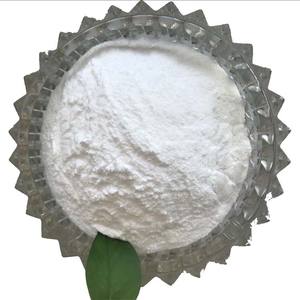
( Concrete Addtives)
Regardless of their lots of advantages, polycarboxylate water reducers encounter difficulties related to cement irregularity, ambient conditions, and interaction with various other admixtures. Cement chemistry– consisting of alkali web content, sulfate degrees, and excellence– can dramatically influence PCE performance, resulting in unforeseeable depression loss or setup hold-ups. Compatibility problems may likewise develop when utilized together with retarders, accelerators, or air-entraining agents, necessitating mindful formula changes. Area employees must also manage dose accuracy, as overdosing can cause extreme blood loss or surface flaws. Resolving these intricacies calls for durable quality assurance protocols and constant advancements in admixture compatibility testing.
Market Fads and Global Market Characteristics
The international market for polycarboxylate water reducers is experiencing steady growth, driven by need for high-performance concrete in Asia-Pacific, The United States And Canada, and Europe. China leads in production and consumption, supported by massive framework financial investments and advancing requirements for long lasting building and construction. Key international chemical distributors are increasing into arising markets in Africa and Latin America, where urbanization and real estate need are rising. Strategic partnerships between admixture producers and concrete innovation firms are increasing product advancement and electronic assimilation. Moreover, regulative changes toward greener building techniques are enhancing the long-term supremacy of PCEs in the admixture landscape.
Future Expectation: Integration with Digital and Smart Building Solution
Looking ahead, polycarboxylate water reducers will play an important role in shaping the future of intelligent and computerized building. Combination with Building Details Modeling (BIM) platforms will certainly allow predictive admixture optimization based upon real-time job data. IoT-enabled giving systems and AI-driven mix modification tools will certainly enhance consistency and decrease material waste on job websites. Bio-inspired and carbon-negative PCE by-products are expected to arise, lining up with sustainability requireds throughout the building and construction worth chain. As concrete advances into a smarter, more adaptable material, PCEs will remain at the core of this change, driving effectiveness, performance, and ecological responsibility in global facilities development.
Vendor
Cabr-Concrete is a supplier of Concrete Admixture with over 12 years of experience in nano-building energy conservation and nanotechnology development. It accepts payment via Credit Card, T/T, West Union and Paypal. TRUNNANO will ship the goods to customers overseas through FedEx, DHL, by air, or by sea. If you are looking for high quality Concrete Admixture, please feel free to contact us and send an inquiry. Tags: superplasticizer, water reducer, water reducing agent, concrete additives
All articles and pictures are from the Internet. If there are any copyright issues, please contact us in time to delete.
Inquiry us