
Intro to Concrete Foaming Professionals: Allowing High-Performance Lightweight Concrete
Cement foaming agents have become a transformative class of ingredients in modern-day building and construction, making it possible for the production of lightweight, energy-efficient, and structurally sound concrete systems. These specialized surfactants produce secure air spaces within cementitious mixes, minimizing density while maintaining compressive strength and thermal insulation buildings. As urbanization accelerates and sustainability requireds improve developing methods, concrete lathering agents are playing a progressively critical function in establishing green, high-performance concrete solutions for household, industrial, and framework applications.
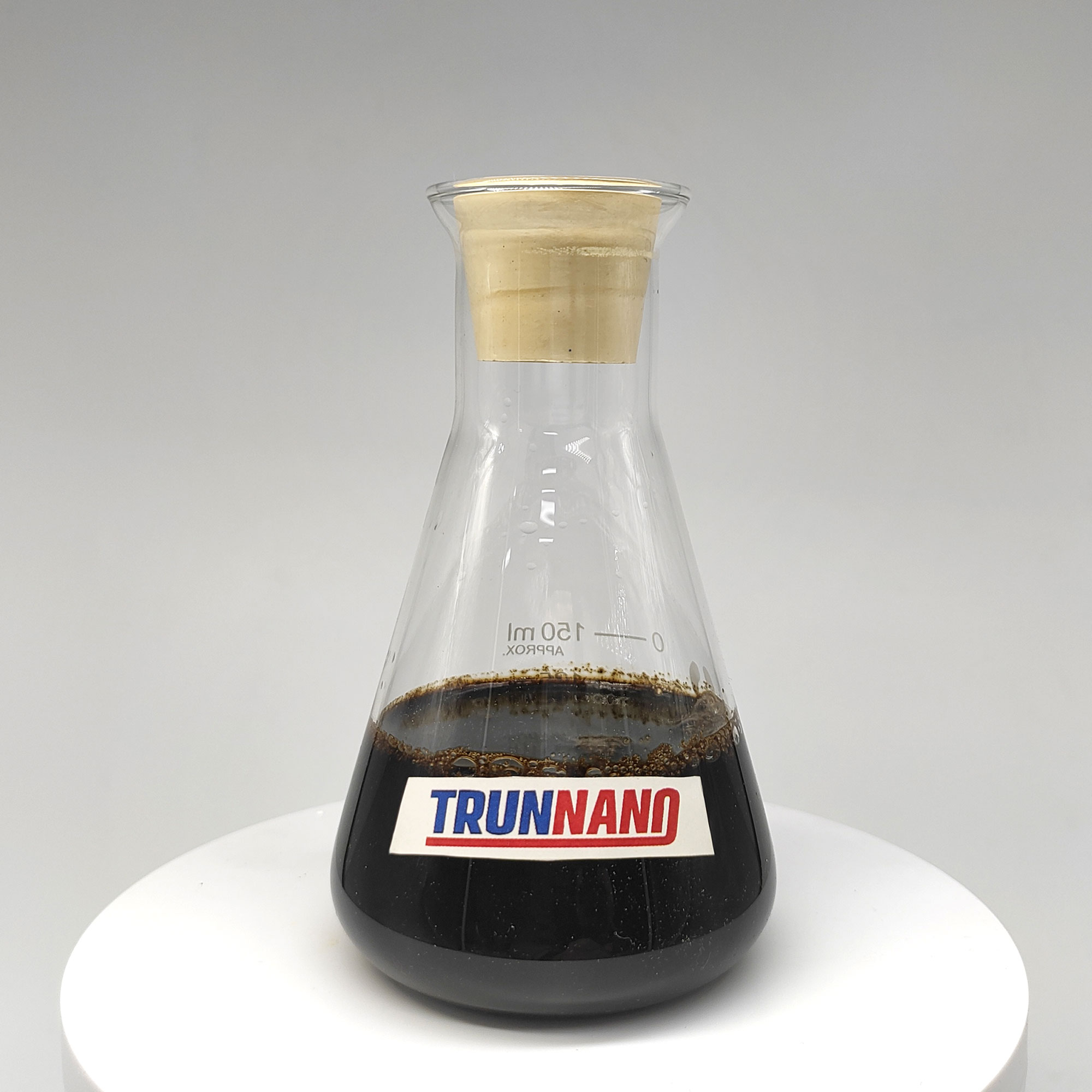
(Concrete foaming agent)
System and Types of Concrete Foaming Professionals
Concrete frothing agents operate by lowering the surface stress of water, allowing the development of penalty, evenly dispersed bubbles that remain secure throughout mixing, placement, and curing. Typical kinds include protein-based (animal or plant-derived), artificial surfactants (such as alkyl sulphonates), and crossbreed solutions incorporating both organic and not natural elements. Each kind uses distinctive advantages in regards to foam stability, workability, and compatibility with different cement blends. Protein-based representatives, for example, give exceptional bubble uniformity and long-lasting resilience, making them suitable for structural light-weight concrete applications.
Residence and Performance Conveniences of Foamed Concrete
Lathered concrete produced using sophisticated cement lathering agents shows an one-of-a-kind combination of reduced density (varying from 300 to 1600 kg/m FOUR), modest compressive strength, and premium thermal and acoustic insulation. It likewise demonstrates excellent flowability, self-leveling features, and minimal shrinkage contrasted to standard concrete. These buildings make it particularly appropriate for loading gaps, insulating roofs, creating dividing walls, and creating floating floors. Additionally, its decreased weight decreases structural tons on foundations and structures, adding to set you back savings and enhanced seismic performance in earthquake-prone regions.
Applications Throughout Building and Framework Sectors
The flexibility of foamed concrete has caused its fostering throughout varied building fields. In household and industrial buildings, it is utilized for insulation panels, precast blocks, and lightweight floor screeds. Framework jobs employ foamed concrete for embankment stablizing, passage backfilling, and bridge abutment applications where regulated low-strength product (CLSM) is required. Transportation companies utilize it for railway trackbeds and roadway sub-base layers as a result of its vibration-damping buildings. Additionally, environment-friendly structure accreditations such as LEED and BREEAM identify foamed concrete as a lasting product option because of its reduced personified energy and carbon impact.
Role in Sustainable and Eco-friendly Building Practices
Concrete frothing representatives contribute considerably to ecological sustainability by minimizing the general consumption of Rose city cement– a major resource of CO ₂ emissions– via lightweighting. They also enable the unification of commercial by-products like fly ash, slag, and silica fume into foamed concrete mixes without endangering performance. Some next-generation frothing representatives are stemmed from renewable sources or designed to be eco-friendly, aligning with round economic climate concepts. As regulatory stress place to lower greenhouse gas emissions from construction, these agents provide a sensible pathway to attaining net-zero structure targets worldwide.
Technical Technologies Driving Next-Generation Foaming Solutions
Current advancements in polymer chemistry and nanotechnology are enhancing the efficiency and efficiency of concrete lathering representatives. Scientists are establishing nanostructured lathering agents that enhance bubble stability and interfacial bonding between air gaps and cement paste. Crossbreed formulas including superplasticizers and viscosity modifiers are being crafted to enhance rheology and early-age toughness development. Smart frothing systems with adaptive bubble generation based upon real-time mixing conditions are likewise arising, driven by electronic integration and IoT-enabled application control. These advancements are broadening the practical extent of foamed concrete past standard applications.
Difficulties and Technical Factors To Consider in Practical Implementation

( Concrete foaming agent)
Despite their advantages, cement frothing agents face obstacles pertaining to dose level of sensitivity, compatibility with admixtures, and variability in performance under extreme weather. Improper dosage can bring about extreme porosity, reduced stamina, or collapse of foam framework prior to setting. Compatibility problems with retarders, accelerators, or waterproofing agents might impact hydration kinetics and last mechanical properties. There is also a requirement for standardized screening protocols and quality assurance measures to make sure consistency throughout vendors and project websites. Resolving these worries needs continued R&D efforts focused on formula optimization and area flexibility.
Market Dynamics and Global Sector Development Trends
The international market for concrete lathering agents is experiencing consistent development, fueled by climbing need for light-weight construction products in Asia-Pacific, Europe, and the Middle East. China leads in manufacturing and application, followed by India, Germany, and the UAE, where quick urbanization and facilities modernization drive adoption. Principal are investing in item diversity, local development, and collaboration with building and construction tech firms to boost efficiency benchmarks. Digital systems for automated lathering agent dispensing and AI-driven mix design optimization are getting grip, boosting precision and scalability in large-scale jobs.
Future Outlook: Combination with Smart and Digital Construction Ecosystems
Looking ahead, concrete foaming representatives will certainly play a crucial role in shaping the future of wise and sustainable building. Their assimilation with Building Information Modeling (BIM) systems will certainly permit real-time simulation of foamed concrete actions under various loading and ecological conditions. IoT-enabled tracking systems installed in foamed concrete frameworks can supply anticipating maintenance understandings, enhancing service life and safety. Additionally, breakthroughs in bio-based foaming agents, carbon-negative binders, and modular prefabrication strategies will further strengthen their placement in next-generation green structure approaches. As building progresses toward decarbonization and electronic change, concrete foaming representatives will certainly be main to this shift, unlocking brand-new possibilities in light-weight, high-efficiency structure materials.
Provider
TRUNNANO is a supplier of tungsten disulfide with over 12 years of experience in nano-building energy conservation and nanotechnology development. It accepts payment via Credit Card, T/T, West Union and Paypal. Trunnano will ship the goods to customers overseas through FedEx, DHL, by air, or by sea. If you want to know more about polycarboxylate ether pce, please feel free to contact us and send an inquiry(sales5@nanotrun.com). Tags: concrete foaming agent,concrete foaming agent price,foaming agent for concrete
All articles and pictures are from the Internet. If there are any copyright issues, please contact us in time to delete.
Inquiry us