
Intro to Concrete Foaming Agents: Allowing the Increase of Lightweight, Energy-Efficient Concrete Systems
Concrete lathering agents have become a transformative component in modern building, allowing the production of light-weight oxygenated concrete with enhanced thermal insulation, minimized architectural load, and improved workability. These specialized surfactants produce steady air bubbles within the concrete matrix, resulting in materials that integrate stamina with reduced density. As urbanization accelerates and sustainability ends up being a core top priority in structure layout, lathered concrete is gaining traction across domestic, commercial, and facilities tasks for its versatility and ecological advantages.
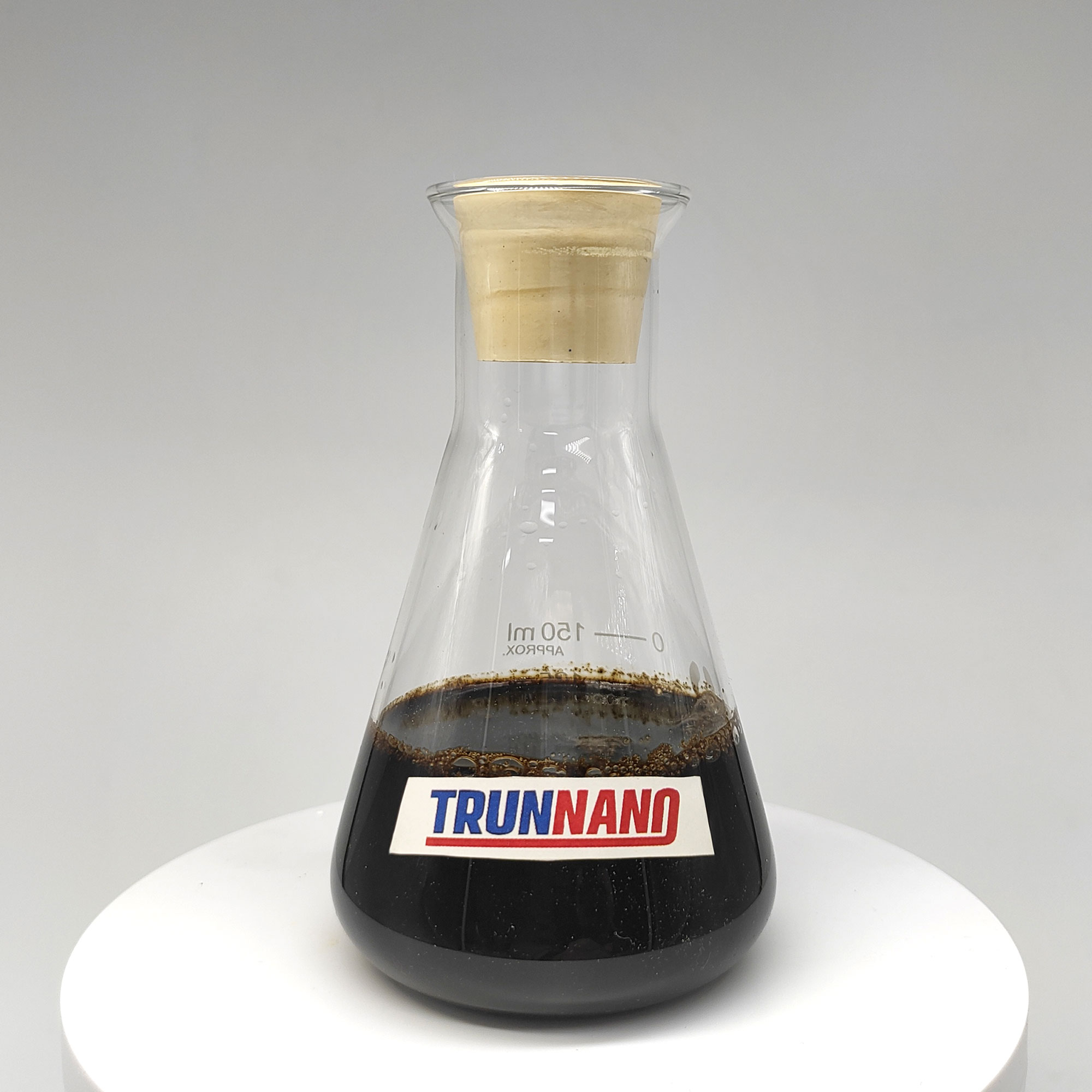
(Concrete foaming agent)
Chemical Structure and Device of Activity
Concrete foaming agents are normally based on healthy protein hydrolysates, synthetic surfactants, or crossbreed formulations developed to maintain air bubbles during blending and curing. When presented into the cement slurry, these agents reduce surface tension and promote the development of uniform, fine-cell foam structures. The stability of the foam is vital– badly supported bubbles can integrate or collapse, bring about irregular density and compromised mechanical residential or commercial properties. Advanced lathering representatives now include nano-additives and rheology modifiers to enhance bubble retention, flowability, and early-age toughness advancement in foamed concrete systems.
Production Refine and Foam Stability Considerations
The production of foamed concrete entails 2 main approaches: pre-foaming and mixed lathering. In pre-foaming, air is produced individually utilizing a foaming equipment prior to being blended right into the cementitious mixture. Mixed lathering introduces the lathering agent directly right into the mixer, producing bubbles in situ. Both strategies need precise control over foam generation, dose prices, and mixing time to guarantee optimal performance. Elements such as water-to-cement proportion, ambient temperature, and concrete reactivity substantially affect foam security, triggering continuous study right into flexible frothing systems that preserve consistency under differing problems.
Mechanical and Thermal Features of Foamed Concrete
Frothed concrete displays a distinct mix of mechanical and thermal attributes that make it optimal for applications where weight reduction and insulation are crucial. Its compressive stamina varieties from 0.5 MPa to over 10 MPa depending upon density (normally between 300 kg/m three and 1600 kg/m six). The visibility of entrapped air cells considerably boosts thermal insulation, with thermal conductivity values as reduced as 0.08 W/m · K, equaling traditional protecting products like expanded polystyrene. Furthermore, foamed concrete offers fire resistance, acoustic damping, and dampness law, making it ideal for both architectural and non-structural components in energy-efficient structures.
Applications Across Residential, Commercial, and Infrastructure Sectors
Lathered concrete has located widespread usage in flooring screeds, roof covering insulation, gap dental filling, and premade panels due to its self-leveling nature and convenience of placement. In property construction, it serves as a reliable thermal barrier in wall surfaces and structures, adding to passive power cost savings. Industrial developers make use of foamed concrete for increased gain access to floorings and insulated dividings. Facilities applications include trench backfilling, train trackbeds, and bridge joints, where its low weight minimizes planet stress and settlement dangers. With growing emphasis on eco-friendly building qualifications, lathered concrete is progressively viewed as a lasting choice to conventional thick concrete.
Ecological Advantages and Life Process Evaluation
Among the most engaging benefits of foamed concrete hinge on its reduced carbon impact compared to traditional concrete. Reduced product consumption, reduced transport expenses due to lighter weight, and improved insulation efficiency all contribute to decrease lifecycle emissions. Many lathering representatives are originated from renewable or naturally degradable resources, further supporting eco-friendly building and construction techniques. Researches have actually revealed that changing common concrete with foamed choices in non-load-bearing applications can reduce embodied carbon by as much as 40%. As governing frameworks tighten up around discharges and source performance, foamed concrete stands apart as a crucial enabler of lasting city development.
Challenges and Limitations in Practical Implementation

( Concrete foaming agent)
Despite its many advantages, frothed concrete faces a number of challenges that limit its fostering in mainstream building and construction. Issues such as drying contraction, delayed establishing times, and sensitivity to inappropriate blending can jeopardize performance otherwise carefully managed. Surface area completing might additionally be extra intricate due to the permeable structure, requiring specialized layers or toppings. From a supply chain perspective, availability and cost of high-performance lathering agents remain barriers in some regions. Additionally, lasting longevity under extreme climatic conditions is still being reviewed with area tests and increased aging examinations. Attending to these restrictions calls for continued development in formulation chemistry and construction technique.
Innovations and Future Instructions in Lathering Representative Development
Research study is actively progressing towards next-generation lathering representatives that use superior performance, broader compatibility, and improved ecological qualifications. Advancements consist of bio-based surfactants, enzyme-modified healthy proteins, and nanotechnology-enhanced foams that boost mechanical strength without compromising insulation properties. Smart lathering systems capable of adapting to real-time mixing problems are being discovered, in addition to assimilation into digital construction systems for automated application and quality assurance. As additive manufacturing make headway in building and construction, lathered concrete solutions suitable with 3D printing are likewise arising, opening brand-new frontiers for architectural creative thinking and useful design.
Provider
Cabr-Concrete is a supplier under TRUNNANO of Concrete Admixture with over 12 years of experience in nano-building energy conservation and nanotechnology development. It accepts payment via Credit Card, T/T, West Union and Paypal. TRUNNANO will ship the goods to customers overseas through FedEx, DHL, by air, or by sea. If you are looking for Concrete foaming agent, please feel free to contact us and send an inquiry. (sales@cabr-concrete.com) Tags: concrete foaming agent,concrete foaming agent price,foaming agent for concrete
All articles and pictures are from the Internet. If there are any copyright issues, please contact us in time to delete.
Inquiry us